New Lyme Disease Discovery Reinforces the Need for Year-Round Tick Prevention
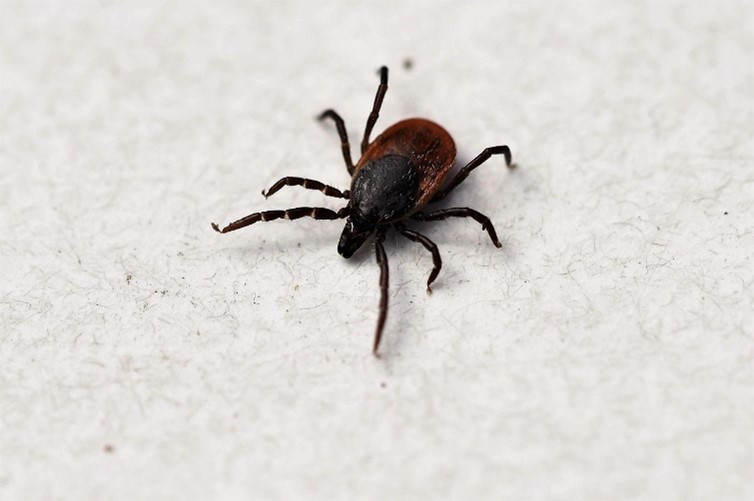
Recent scientific research has identified an unexpected weakness in Borrelia burgdorferi, the bacterium that causes Lyme disease. The study revealed that the organism relies on the mineral manganese to defend itself against the body’s immune response. However, this dependence is also a liability: when manganese levels are either too low or too high, the bacterium’s protective mechanisms break down, making it easier to destroy.
This finding opens the door to potential new treatment strategies that disrupt how B. burgdorferi regulates manganese. With Lyme disease cases continuing to increase and existing treatments often proving complex, identifying this vulnerability represents a promising step toward more effective therapies.
Ticks Remain Active in Colorado—Even in Colder Months
Unlike many pests that disappear as temperatures drop, ticks remain active throughout fall, winter, and spring in Colorado. They continue to pose health risks because they transmit serious diseases and feed on a variety of hosts, including dogs, cats, deer, chipmunks, squirrels, and mice. Ticks do not fly or jump; instead, they wait on vegetation and attach to passing animals or people using sensory cues.
The most common tick species found in Colorado include:
- Winter ticks: Winter ticks mainly infest large mammals such as elk, moose, and deer, and occasionally horses. They spend most of their life cycle on a single host, which can lead to heavy infestations causing hair loss, skin irritation, anemia, and weakened animals. While they rarely transmit disease to humans, they can bite people incidentally. Winter ticks are most active from late fall through early spring and are commonly found in Colorado’s foothills and mountain areas where wildlife is abundant.
- Rocky Mountain wood ticks: Rocky Mountain wood ticks are among the most medically significant ticks in Colorado and are commonly found in shrublands, grasslands, and wooded areas at higher elevations. They can transmit serious diseases such as Rocky Mountain spotted fever, Colorado tick fever, and tularemia. Adults are most active in spring and early summer and readily attach to humans, dogs, and livestock, making prevention and prompt removal especially important.
- American dog tick: American dog ticks are widespread in Colorado and commonly found in grassy areas, along trails, and near homes. They frequently bite dogs and humans and can transmit Rocky Mountain spotted fever and tularemia. Most active from late spring through summer, they do not spread Lyme disease but still pose significant health risks, especially to pets without proper tick prevention.
Ways to Reduce Tick Exposure
Routine inspections by a licensed pest control professional can help identify tick-prone areas on your property and allow for targeted treatments to reduce activity. For best results, tick and mosquito control should begin early in the summer and continue as needed throughout the season.
Additional prevention measures include:
- Avoid contact with tall grass and dense vegetation, particularly in wooded areas
- Wear light-colored clothing and tuck pants into socks to make ticks easier to spot
- Conduct thorough tick checks on people and pets after outdoor activity
- Use veterinarian-recommended tick prevention products year-round and ask about canine vaccinations
- Reduce rodent populations around the home, as rodents often carry ticks
- Consider natural predators such as guinea fowl, which feed on ticks
For safe tick removal, use fine-tipped tweezers to grasp the tick close to the skin and pull upward steadily until it releases.
Because every property is different, Front Range Pest can help identify the most effective tick management approach for your home. Contact us today to learn how to better protect your family and pets year-round.
_________
Front Range Pest is your trusted, family-owned pest and wildlife control company serving central Colorado and southern Wyoming. Our certified technicians have the expertise and credentials to ensure effective pest management for your home or business. As your all-in-one insect and wildlife specialists, we offer peace of mind by identifying wildlife entry points, removing nuisance pests, sealing access areas, performing cleanup, and making essential repairs. Schedule an inspection with us today.
Written by the Digital Marketing Team at Creative Programs & Systems: https://www.cpsmi.com/.